
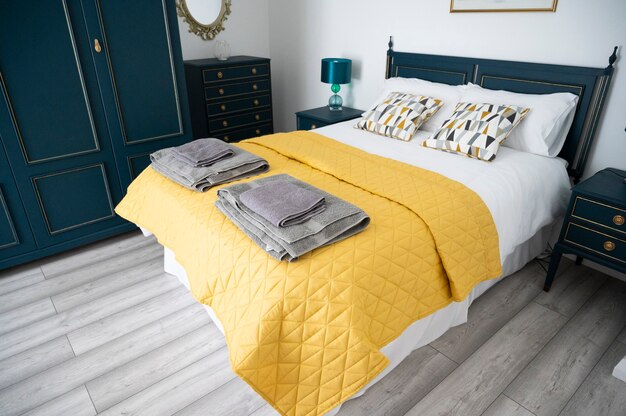

A relaxing home rarely happens by accident; it’s usually the result of small choices that reduce noise, soften hard edges, and make everyday routines feel lighter. You don’t need a full makeover or a big budget to shift the mood; you need a few practical tweaks that make rooms easier to use and kinder to your senses. When you focus on how a space feels at the end of a long day, you start noticing which details create calm and which ones quietly add stress.
Begin where your body fully resets
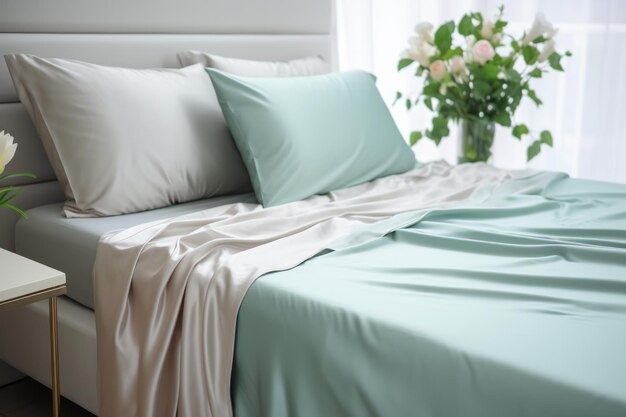
The fastest way to make a home feel more relaxing is to upgrade the place where you truly recover: the bed. Comfort starts with temperature, texture, and the sense that sleep is effortless, not something you have to “work” for. Choosing one reliable textile like a comfortable bedsheet that feels smooth and breathable can instantly change how the entire bedroom reads, even if the furniture stays the same. Keep the rest of the sleep area simple so your eyes and mind aren’t forced to process too many objects at once.
Lower visual noise with a one-surface rule
Relaxation drops the moment your brain reads a space as unfinished, and clutter often creates that signal even when the room is clean. Try a one-surface rule for the areas you see most: the coffee table, the kitchen counter, or the dresser. Give that surface only a few intentional items: one functional piece, one calming object, and one “container” like a tray or bowl, so loose items don’t spread. This tiny boundary keeps mess from multiplying and makes tidying feel like a quick reset rather than a chore you dread.
Shift your lighting from bright to gentle
Lighting sets the nervous system tone in a way that paint colors can’t. If your evenings feel restless, it’s often because your lights are too cool, too intense, or all coming from overhead. Build a softer mix: a warm table lamp for corners, a floor lamp near seating, and a dimmable bedside light for wind-down time. Even swapping bulbs to a warmer temperature can make a room feel quieter. The goal is a glow that supports rest, not illumination that mimics a workplace.
Add softness where your home feels hard
Many homes lean heavily on hard, reflective materials, tile, glass, painted walls, and metal—because they’re durable and easy to clean. But too many hard surfaces can make a room feel loud, cold, and visually sharp. Balance that with softness in strategic places: a rug that absorbs sound, curtains that reduce echo, and cushions that make seating feel less formal. When you add textiles with varied textures, you create comfort without adding clutter, and the space begins to feel more human.
Make scents and sounds work for you
Relaxing spaces aren’t only visual; they’re sensory environments. Choose one or two signature cues that tell your brain “you’re safe to slow down”: a subtle home fragrance in the evening, or a consistent background sound like a fan, soft music, or a white-noise track. Keep it consistent rather than constantly changing, because repetition builds association. If you share your space with others, aim for universally calm choices: clean, light scents and low, steady sound that doesn’t demand attention.
Create small rituals that support calm routines
A relaxing home is often a home with predictable, pleasant rituals, tiny moments that feel like care. This is where home lifestyle ideas become practical: a two-minute night reset, a dedicated tea corner, a catch-all tray that prevents scavenger hunts for keys, or a blanket basket next to the couch so comfort is always within reach. Rituals are powerful because they reduce decision fatigue. When your environment supports the same calm flow each day, relaxation becomes easier to access.
Keep design modern by simplifying, not stripping
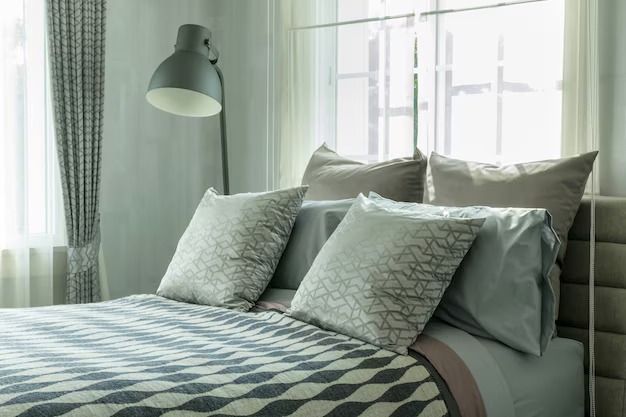
People often confuse calm with emptiness, but you don’t have to remove personality to create peace. A relaxed space can still feel current if you simplify shapes, repeat a few tones, and choose pieces that do more than one job. This is one reason modern home design works well for relaxation: it favors clean lines, clear zones, and fewer competing focal points. Think “edited,” not “bare,” a room with breathing space, where every object has a reason to be there.
Use a one-corner upgrade to change the whole room
If you’re short on time or budget, pick one corner and upgrade it fully instead of making small changes everywhere. A bedside corner might get a softer lamp, a small tray, and one calming object; a living room corner might get a throw, a cushion refresh, and a plant. A single finished corner can shift how the entire room feels because it creates a visual anchor of calm. Once one area feels settled, it often motivates the rest of the space to follow naturally.
Conclusion
Small changes can make a home feel more relaxing because they reduce friction, soften sensory overload, and support the way you actually live. When you focus on lighting, texture, sound, and simple boundaries for clutter, you build calm without redesigning everything. Start with the change you’ll feel most tonight, then stack the next small improvement tomorrow. Relaxation isn’t a dramatic transformation; it’s a steady accumulation of comfort.