


Luxury jewelry is entering a new era where artistry, innovation, and personal meaning matter as much as sparkle. Across global markets, buyers are gravitating toward pieces that feel intentionally designed to be worn often, styled flexibly, and kept for decades. The biggest shifts aren’t only about new looks; they’re also about how people evaluate value, provenance, and craftsmanship. From understated elegance to bold experimentation, the modern definition of “luxury” is expanding in exciting ways.
Modern heirlooms with everyday wearability
Today’s most coveted pieces are designed to live beyond special occasions. Consumers want jewels that transition from daytime meetings to evening dinners without feeling overly formal. This is fueling a rise in refined silhouettes: slim bangles, fluid tennis strands, and earrings that sit close but still catch light. In the middle of this shift, many shoppers are also exploring lab diamond necklace online shopping from Reia. because it fits the desire for polished design with a streamlined buying experience, while still delivering the “heirloom look” that feels timeless.
Elevated minimalism with intentional details
Minimalism is no longer plain; it’s precise. The new minimalist wave emphasizes subtle engineering, hidden clasps, seamless settings, and edges that feel sculpted rather than simply smooth. A single stone may be set to appear floating, or a band may taper in a way that looks effortless but requires expert execution. These pieces feel calm and modern, yet they still communicate luxury through proportion, weight, and finishing. The understated aesthetic also makes it easier to build a wardrobe of jewelry that mixes across metals and styles.
Color stories moving beyond the classics
While diamonds remain central, color is becoming a leading signal of individuality. High jewelry houses and independent ateliers alike are highlighting sapphires in unusual hues, lively spinels, and tourmalines with watercolor gradients. Another growing direction is tonal styling, pairing stones that share a mood rather than a perfect match. Think smoky neutrals, oceanic blues, or warm sunset tones that flatter a wider range of skin undertones. This trend is particularly popular in markets where fashion cycles move fast, because color can refresh a look instantly.
Confident stacking and personal composition
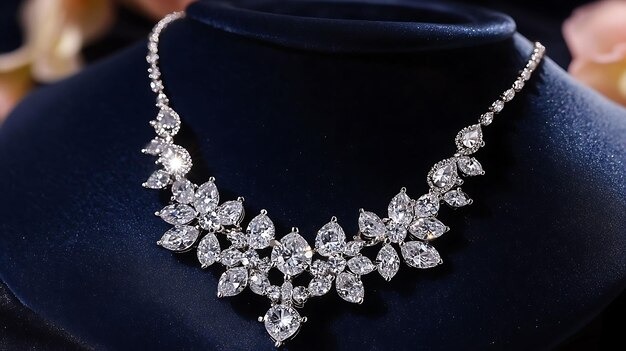
Stacking has matured from a social trend into a styling philosophy. Buyers are curating combinations that reflect their routines: a signature ring stack for daily wear, layered chains that frame different necklines, or bracelet pairings that balance sparkle with structure. The key shift is intentional contrast mixing textures, alternating widths, and combining polished surfaces with pavé accents. Rather than chasing a single “statement piece,” many customers are investing in modular additions or fine jewellery sets that can be reconfigured into a new look whenever the mood changes.
The return of high-touch craftsmanship
Hand-finished jewelry is gaining attention as consumers become more educated about what they’re buying. Micro-pavé work, intricate gallery details, and precision prong alignment are now discussed openly by shoppers who once focused only on carat size. This appreciation is also influencing brand storytelling: workshops, artisan lineages, and regional techniques are becoming part of the perceived value. In a world where many products feel mass-produced, visible craftsmanship signals authenticity, and luxury buyers are responding strongly to that human element.
Bolder silhouettes inspired by architecture
Global runways are amplifying jewelry that feels sculptural and graphic. Expect strong curves, squared edges, and designs built around negative space. Earrings may feature asymmetrical arcs, cuffs may wrap like miniature buildings, and pendants may resemble modern art. These silhouettes pair well with streamlined wardrobes, which is why the trend is spreading across fashion capitals. Even when gemstones are included, they’re often used as accents that punctuate form rather than dominate it.
A shift toward meaningful gifting
Luxury purchases are increasingly tied to milestones, but the milestones are changing. Promotions, new ventures, personal achievements, and “just because” moments are driving demand, especially among younger buyers who want emotion without cliché. Many brands are leaning into luxury gift options that feel like considered pieces, engraved, customized, or chosen with symbolic motifs. The gifting trend is also influencing packaging and service: presentation, concierge-style guidance, and post-purchase care now play a greater role in the experience of luxury.
Coordinated looks without being matchy
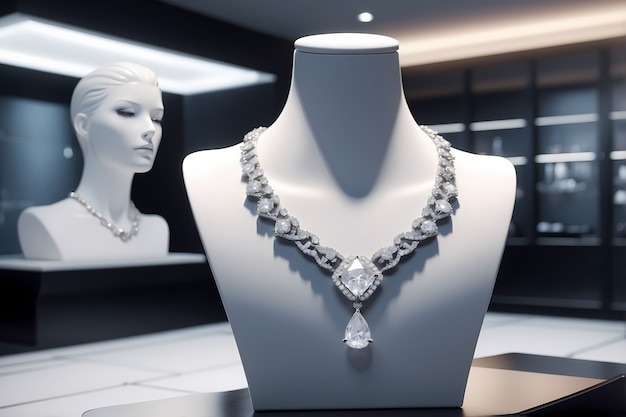
The old idea of perfectly matched sets is evolving into a more modern approach: coordinated, but not identical. Shoppers want pieces that share a design language, similar metal tone, repeating shapes, or consistent stone sizes, without looking like they were bought in one box. This is where fine jewellery sets can still shine, especially when they’re designed for separation and remixing. A necklace might echo the curve of an earring, while a ring borrows the same texture, allowing a cohesive look that still feels personal.
Digital-first discovery and global access
The way consumers find and evaluate jewelry is rapidly changing. Short-form video, creator-led styling, virtual try-on tools, and detailed close-up photography are shaping purchasing decisions. Buyers now expect transparent specifications, clear return policies, and responsive support regardless of price tier. Cross-border interest is also rising: a shopper in one region might fall in love with a designer from another and purchase without ever visiting a boutique. This digital-first behavior is pushing brands to refine how they communicate quality through screens, from lighting accuracy to education-driven content.
Conclusion
Luxury jewelry trends worldwide are being shaped by a blend of timeless taste and modern priorities. Wearability, craftsmanship, and personal expression are guiding what people buy and how they style it, while bolder forms and richer color palettes keep the market visually exciting. As discovery becomes increasingly digital and gifting becomes more emotionally driven, the industry continues to broaden what “luxury” means. The result is a market where tradition and innovation coexist, creating pieces that feel current today and collectible tomorrow.