


A caring living environment can do more than provide safety and support; it can nurture genuine relationships that improve emotional well-being, confidence, and daily joy. For many seniors, transitions such as retirement, relocation, or health changes can shrink social circles and reduce spontaneous interactions. Meaningful bonds don’t happen by accident in this season of life; they are built through intentional design, consistent opportunities to connect, and a culture that values dignity and belonging.
Building trust through consistent daily rhythms
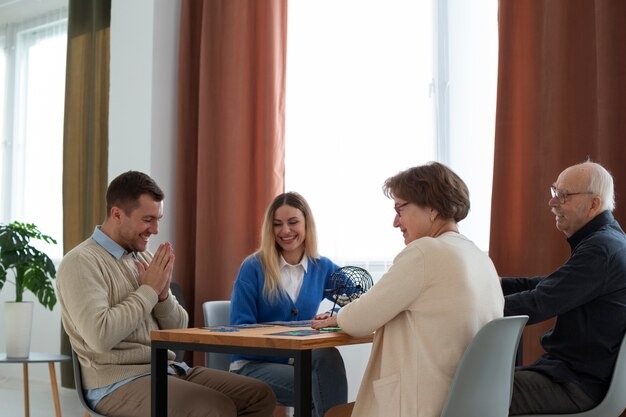
Strong bonds often form through repetition. Shared routines such as morning walks, group stretching, or evening games create predictable touchpoints where conversations naturally deepen over time. In communities like Kamdhenu Retreat senior living, residents can benefit from familiar daily rhythms that make it easier to connect without needing to plan socializing. The goal is not constant activity, but dependable opportunities that allow relationships to develop steadily and comfortably.
Creating a welcoming culture that invites connection
Physical spaces influence social behavior. Bright, comfortable lounges; quiet nooks for two-person chats; and dining layouts that encourage conversation can gently guide people toward connection. A well-designed, caring space offers both togetherness and privacy so seniors can choose how they engage. When residents can sit near gardens, join a small group around a table, or talk without loud distractions, premium senior living spaces ensure that relationships feel less forced and more authentic.
Designing shared spaces that support natural interaction
Physical spaces influence social behavior. Bright, comfortable lounges; quiet nooks for two-person chats; and dining layouts that encourage conversation can gently guide people toward connection. A well-designed, caring space offers both togetherness and privacy so seniors can choose how they engage. When residents can sit near gardens, join a small group around a table, or talk without loud distractions, relationships feel less forced and more authentic.
Supporting belonging with interest-based activities
Supporting belonging with interest-based activities can be highly effective because people bond fastest over shared interests rather than general social events. Book circles, music listening sessions, gardening, crafts, and gentle fitness groups bring together residents who already have something in common. These small-group activities provide practical ways to stay active after retirement while helping introverted seniors participate more easily and giving extroverted seniors a constructive way to welcome others. Small-group formats also tend to be more inclusive than large gatherings, especially for residents who may have hearing or mobility limitations.
Encouraging intergenerational moments that feel purposeful
Meaningful intergenerational connection goes beyond occasional performances. Seniors build stronger bonds when interactions have purpose, such as story-sharing, mentoring, teaching, or collaborative projects like art displays or community service. Intergenerational activities can reinforce seniors’ sense of contribution and identity, making relationships feel reciprocal rather than one-sided. When seniors feel valued for what they know and who they are, they connect more openly and confidently.
Helping seniors initiate friendships with confidence
Some seniors want friendship but feel hesitant about starting conversations, especially after a loss or long periods of isolation. Gentle coaching and supportive cues can make a difference, such as staff facilitating introductions around shared hobbies or encouraging residents to sit with familiar faces at meals. The aim is to reduce the emotional effort required to connect while preserving each resident’s autonomy and comfort.
Practical ways to start and sustain new friendships
Use simple conversation openers
A warm greeting and an easy question about hobbies, favorite foods, or music creates a low-pressure entry into a relationship.
Join small groups over large events
Smaller gatherings support deeper conversation, reduce overstimulation, and make it easier to remember names and stories.
Create shared routines
Meeting weekly for a walk, puzzle, or tea builds trust through repetition and gives both people something reliable to look forward to.
Practice active listening
Showing genuine attention through eye contact, patient pauses, and follow-up questions helps others feel respected and safe.
Follow through consistently
Friendships strengthen when seniors show up and keep small commitments, signaling care and dependability.
Promoting emotional safety and respectful communication
Meaningful bonds require emotional safety. Residents may bring different backgrounds, beliefs, and coping styles, so respectful communication norms matter. Communities can encourage kindness, privacy, and conflict resolution practices that prevent misunderstandings from escalating. When seniors trust that disagreements will be handled fairly and calmly, they are more willing to engage socially, share personal stories, and form closer ties.
Making family involvement a bridge, not a barrier
Family connections can strengthen community bonds when handled thoughtfully. Visits, shared celebrations, and family-inclusive activities can help residents feel anchored and supported. At the same time, a caring space should encourage independence so seniors don’t feel socially dependent on family alone. Modern retirement living for seniors often focuses on balancing family involvement with peer engagement to ensure relationships inside the community become richer and more stable.

Ways families can support social bonding
Encourage participation without pressure
Positive reinforcement works best when it respects a senior’s pace and personality.
Ask about new acquaintances
Simple questions about who they met can reinforce new bonds and help seniors reflect on positive experiences.
Attend community events occasionally
Joining a celebration or open house can help families understand the social environment and support it.
Coordinate meaningful visits
Short, high-quality visits paired with community engagement can reduce loneliness without disrupting social momentum.
Sustaining bonds through care that honors individuality
Seniors build deeper relationships when their individuality is protected. Personalized care plans, cultural sensitivity, and flexible schedules help residents feel respected rather than managed. In Kamdhenu Retreat senior living, seniors can thrive socially when care supports independence and identity because people connect best when they feel like themselves.
Conclusion
Meaningful bonds in a caring space grow from a blend of thoughtful design, consistent routines, emotional safety, and purposeful opportunities to connect. Seniors don’t need nonstop social calendars to build friendships; they need a welcoming culture, accessible shared spaces, and activities that reflect who they are. With the right environment and gentle encouragement, seniors can create supportive friendships that add comfort, belonging, and genuine joy to everyday life.