
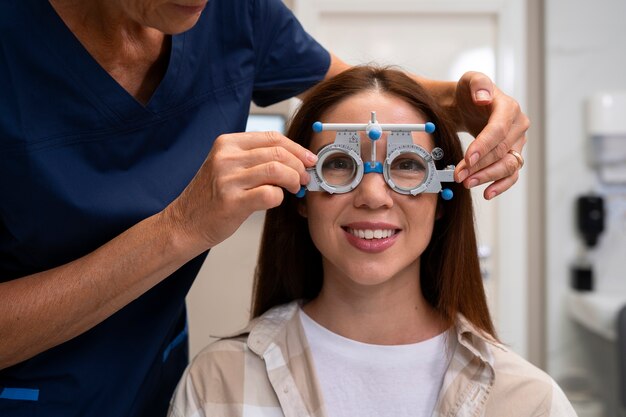

Blurry sight can creep in so gradually that people adjust without noticing: brighter lamps, larger fonts, fewer night drives, and a growing reluctance to read fine print. Yet vision is more than a convenience; it shapes confidence, safety, and independence. The good news is that eye care has moved far beyond “wait and see.” New diagnostic tools, refined surgical methods, and smarter aftercare have turned many once-daunting conditions into manageable, treatable problems. This article explores what has changed, why outcomes are better, and how everyday choices can support clearer sight for years to come.
Why Clarity Fades Over Time
Vision changes are often the result of tiny shifts inside the eye that add up. The lens can lose flexibility, making close work harder. The cornea may develop subtle surface irregularities that scatter light. Tear film instability can mimic more serious problems, causing fluctuating blur that comes and goes. Even general health matters, such as blood sugar changes, certain medications, and sleep quality, can all influence how the eyes focus and feel. Recognizing that gradual decline is common but not inevitable helps people seek an evaluation earlier, when solutions are typically simpler, and recovery is easier.
The Hidden Signals People Miss
Many eye conditions announce themselves in quiet ways. Colors may look duller, headlights may flare more at night, or one eye may seem “off” only when the other is covered. Some people notice they need frequent prescription changes without ever feeling that their sight is truly sharp. Others experience mild double images, halos, or a sense that objects lack crisp edges. These signals can hint at lens clouding, surface disease, or changes in the retina. Catching issues early can reduce the impact on vision and prevent the frustration of living with blur that gradually becomes “normal.”
Smarter Testing That Finds Problems Earlier
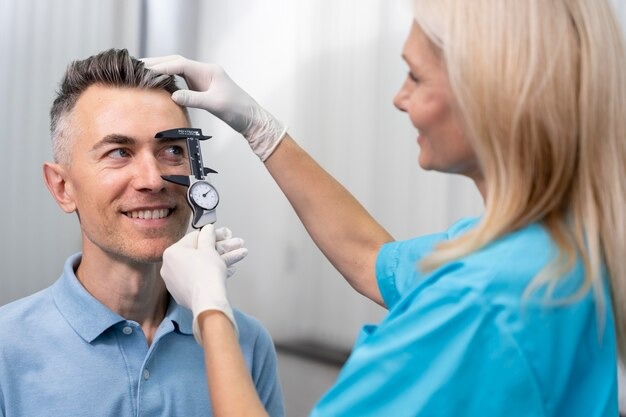
Today’s eye exams can map and measure the eye with remarkable precision. Imaging devices can scan the retina in cross-section, helping detect early macular changes long before central vision drops. Corneal topography can reveal subtle shape distortions that contribute to glare and poor night driving. Modern biometry can calculate eye dimensions with high accuracy, improving lens selection for surgical care. Even basic dry-eye evaluations are more sophisticated, examining tear quality and gland function. With better data, clinicians can personalize treatment and avoid one-size-fits-all recommendations.
Lens Clouding and the New Standard of Care
When lens clouding starts to affect daily activities, it’s no longer a matter of “toughing it out.” Modern treatment focuses on restoring clear, functional vision while also supporting lifestyle needs such as reading, screen use, and night driving. Choosing a cataract surgery hospital in Vadodara ensures access to precise pre-operative measurements, thorough counseling, and consistent follow-up care. The most important factor isn’t just the surgery itself, but the complete care pathway, including accurate planning, infection prevention, lens selection guidance, and a recovery plan that fits comfortably into everyday life.
Precision Procedures with Gentler Recovery
Techniques have improved in ways that patients can actually feel. Smaller incisions, refined energy delivery, and stable fluid control make surgery more predictable and comfortable. Some centers use advanced guidance systems that help align corrective lens features more accurately, reducing residual blur and astigmatism. Anesthesia approaches are also streamlined, so many people are awake but relaxed, with minimal discomfort. Afterward, clearer instructions, better anti-inflammatory strategies, and closer monitoring make the recovery period less confusing. The result is often a faster return to normal activities and fewer surprises along the way.
Tailored Options for Real-Life Visual Goals
Not everyone wants the same kind of clarity. A person who spends hours on spreadsheets needs different priorities than someone who loves long-distance driving, crafts, or outdoor sports. That’s why lens choices and add-on corrections have expanded. Some solutions emphasize distance sharpness, while others aim for a broader range of focus. Patients may also combine treatments addressing surface dryness, eyelid inflammation, or corneal shape to improve overall quality of sight. Discussing work habits, hobbies, lighting environments, and night driving frequency helps clinicians match technology to real-world needs rather than generic “20/20” targets.
Surface Health: The Often-Overlooked Difference Maker
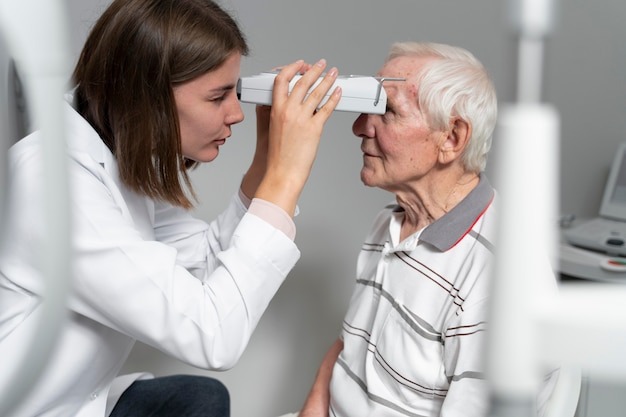
Even when the inside of the eye is healthy, the surface can cause significant blur. Dryness, allergies, screen-heavy routines, and contact lens wear may destabilize the tear layer, leading to fluctuating vision that changes hour to hour. New therapies include better eyelid hygiene strategies, heat-based gland treatments, anti-inflammatory drops, and targeted allergy management. These approaches may not sound glamorous, but they can dramatically improve comfort and clarity. Strengthening surface health also improves the accuracy of measurements taken for surgical planning, which supports better long-term results.
Protecting Sight Beyond the Clinic
Better outcomes aren’t only driven by devices and procedures; daily habits matter. UV-blocking eyewear supports long-term lens and retinal health. Consistent control of blood pressure and blood sugar protects delicate blood vessels in the eye. Nutrition patterns that include leafy greens, colorful vegetables, and omega-3 sources can support retinal function and tear stability. Sleep and hydration influence eye comfort more than many people realize. When combined with periodic exams, these actions complement modern eye treatments and help maintain the results of professional care.
Conclusion
Clearer sight is no longer a distant hope for people coping with haze, glare, or frequent prescription changes. With earlier detection, more individualized planning, and smoother recoveries, today’s eye care can restore function and confidence for many common conditions. The most important step is simple: take symptoms seriously and schedule an evaluation before limitations become overwhelming. Whether the solution is surface therapy, a refined procedure, or a thoughtful update to daily habits, the pathway from blur to clarity is increasingly straightforward and increasingly achievable.